
Explore Digitalization in Green Buildings at AUD During World Green Building Week 2025
Why Digital Innovation Matters for Sustainable Architecture
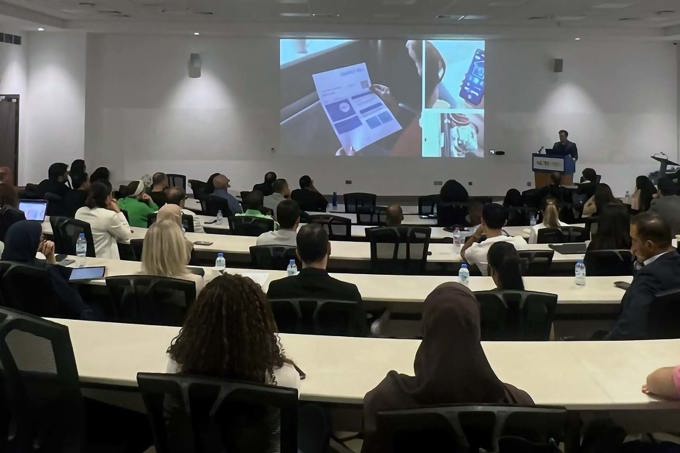
In 2025, the American University in Dubai (AUD) hosted a pivotal session on “Digitalization in Green Buildings” as part of World Green Building Week. The event highlighted how data, simulation, and connected platforms are reshaping the design, construction, and operation of sustainable buildings. For students, educators, and industry professionals looking to stay ahead of climate‑conscious trends, understanding this digital shift is essential.
World Green Building Week 2025: Key Takeaways
The weekly global celebration amplified the urgency of #BeBoldOnBuildings, an acronym championed by Ambassador Abdullatif Al‑Bitawi, CEO of the Emirates Green Building Council (Emirates‑GBC). The lecture series and panel discussions underscored three core themes:
- Data‑Driven Design: AI‑powered tools can predict energy consumption, thermal comfort, and material performance before construction begins.
- Integrated Digital Platforms: BIM (Building Information Modeling) supplemented with IoT sensors allows real‑time monitoring of building health, enabling responsive adjustments and long‑term efficiency.
- Collaboration and Knowledge Sharing: Partnerships between academia and industry—such as the one between AUD and Emirates‑GBC—provide a feedback loop for evolving standards and best practices.
How AUD Is Preparing the Next Generation of Green Architects
Dr. Anna Cornaro, Chair of the Department of Architecture, emphasized AUD’s commitment to embedding digital fluency into its curriculum. Students now have access to:
- Advanced BIM labs connected to real‑world construction sites.
- Coursework on AI‑assisted design and sustainability analytics.
- Internship opportunities with firms using cutting‑edge digital tools.
These resources aim to equip graduates with the skills required to lead design projects that meet strict environmental metrics.
Case Study: Digital Tools in Action
During the panel, experts from Industry Engagement Services (IES), SustainInsight, Enova, and Climatize Engineering showcased real projects. For instance, AI simulations helped optimize solar panel placement on a high‑rise façade, reducing projected energy consumption by 15 %. A real‑time analytics dashboard then tracked performance, adjusting shading devices automatically during the building’s life cycle.
Benefits of Digitalization for Green Building Practitioners
Digital workflows not only enhance sustainability metrics but also deliver tangible operational advantages:
- Reduced Construction Time: Automated clash detection speeds up design reviews.
- Cost Savings: Early error identification lowers the chance of expensive reworks.
- Enhanced Building Performance: Continuous sensor data informs energy‑management strategies.
- Compliance Assurance: Digital records simplify audit processes with authorities and certification bodies.
Connecting Students with Industry Leaders
The event served as a networking hub, enabling attendees to meet CEOs, sustainability officers, and leading designers. Prospective students can learn about career pathways and industry expectations directly from seasoned professionals, giving them a realistic view of the job market.
Pathways to Join AUD’s Sustainable Design Programs
Whether you’re interested in undergraduate, graduate, or certificate levels, AUD provides a spectrum of programs tailored to sustainability:
- Undergraduate: Bachelor of Architecture (B.Arch.), Civil Engineering (B.S.C.E.), Interior Design (B.F.A.)
- Graduate: Master of Science in Artificial Intelligence, Master of Urban Design and Digital Environments, Master of Construction Management
- Certificates: Executive programs focused on green building strategies.
Each curriculum incorporates hands‑on digital training, ensuring graduates are ready for the evolving industry demands.
What’s Next for the Design Community?
The discussion concluded with a call to action: adopt digital practices early, embrace cross‑disciplinary collaboration, and maintain a data‑centric mindset. As World Green Building Week 2025 demonstrated, the intersection of digital technology and sustainability is not a future possibility but a present reality.
Take the Initiative Today
- Apply Now to gain admission to a program that blends design excellence with digital expertise.
- Explore Campus 360 Virtual Tours to visualize AUD’s modern classroom and research facilities.
- Learn More About AUD’s Sustainability Initiatives to understand how the university’s environmental commitments strengthen its academic mission.
- Contact AUD’s Admissions Office for personalized guidance on program selection.
By embracing digitalization now, architects, engineers, and students are positioning themselves at the forefront of green construction. AUD’s World Green Building Week 2025 session is a testament to the university’s leadership in this domain, and a springboard for those who wish to make a measurable impact on the built environment.