
How American University in Dubai Students Address Urban Ecology Through the Urban Pod Design Competition
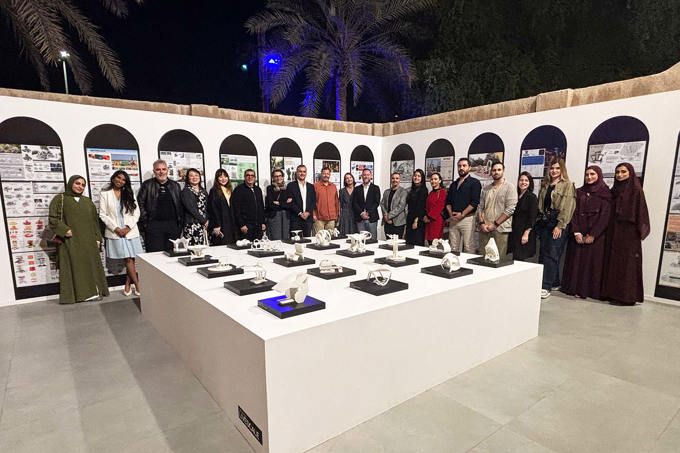
Integrating Animal Welfare into Modern Urban Furniture in the UAE
As cities in the UAE continue to expand and densify, the planning and design of public spaces must evolve to accommodate all inhabitants, not just humans. Historically, urban furniture has been designed with a singular focus on human ergonomics and aesthetic appeal. However, a growing movement in sustainable urban design emphasizes the creation of shared ecosystems. This shift requires architecture and design students to think critically about how public infrastructure can support local biodiversity, including the integration of stray animal populations into the urban fabric safely and hygienically.
The concept of the urban pod emerged from this need. Rather than viewing stray animals as a problem to be managed separately, student innovation in this area treats animal-friendly infrastructure as a core component of city planning. By designing specialized shelters that blend seamlessly into public plazas, parks, and pedestrian corridors, designers can reduce friction between humans and animals while promoting animal welfare. This approach aligns with broader sustainability initiatives across the region, proving that modern urban development can be both ecologically aware and visually cohesive.
The Role of the SIKKA Art Festival in Showcasing Student Innovation
Bringing academic projects out of the studio and into the public realm is a critical step in the development of young designers. The 2026 SIKKA Art Festival provided an ideal platform for this transition. Organized by Dubai Culture, the festival is a highly visible cultural event that draws artists, designers, and urban planners from across the region. By hosting the Urban Pod Design Competition exhibition at the SIKKA Art Festival Academic House, the American University in Dubai ensured that student proposals reached an audience far beyond the classroom.
Public exhibitions at major cultural festivals force students to consider the practical implications of their work. A conceptual model that looks compelling on a desk must also communicate its purpose and structural logic to a diverse, non-academic audience. Presenting at the festival allowed students to observe how the general public interacts with and responds to animal-friendly urban furniture, providing invaluable feedback that bridges the gap between theoretical design and real-world application. Schedule a free consultation to learn more about AUD’s design programs.
Curriculum Design and Cross-Disciplinary Collaboration
The success of the Urban Pod Design Competition at the American University in Dubai was rooted in its integration into the academic curriculum. Rather than functioning as an extracurricular afterthought, the competition was embedded across 10 distinct courses within the School of Architecture, Art and Design (SAAD). This strategic integration spanned multiple disciplines, including Architecture, Interior Design, and the Master of Urban Design and Digital Environments (MUDDE) program.
By involving nine dedicated faculty members, the university fostered a dynamic environment of cross-disciplinary mentorship. Students were challenged to apply their specific skill sets—whether structural engineering, spatial aesthetics, or digital environmental modeling—to a unified problem. This collaborative approach resulted in the production of more than 110 distinct design proposals. The volume and variety of the submissions reflect a broader academic culture at AUD that prioritizes experimentation, critical thinking, and design excellence. When students from different academic tracks tackle the same brief, the resulting proposals are invariably more robust, addressing everything from material selection and weather resistance to community impact and manufacturing feasibility.
Evaluating Design Excellence Through Rigorous Jury Processes
To ensure fairness and maintain high professional standards, the evaluation process for the competition was designed to mirror real-world architectural contests. A distinguished panel of 13 industry professionals, including prominent architects, urban planners, and municipal representatives, conducted a rigorous multi-stage virtual review. The jury process was comprehensive, moving from an initial review of all 110+ submissions to the creation of a shortlist, followed by a final voting phase to determine the winners.
Such a stringent evaluation process requires students to defend their design decisions on multiple fronts. Jurors typically assess projects based on criteria such as innovation, ecological awareness, structural viability, and clarity of presentation. Among the numerous strong submissions, the work of Alia Taher, Youssef Lotfy, Hadithya Chandrasekar, and Marieh Khalighinasab distinguished itself. These students demonstrated an advanced level of design thinking, successfully balancing the need for animal shelter with the aesthetic and functional demands of public urban furniture. Their proposals set a high benchmark, illustrating how technical proficiency can be paired with deep ecological empathy. Submit your application today to join a community of design innovators.
Key Evaluation Criteria for Urban Design Proposals
- Functional Viability: Does the structure actually protect animals from the elements while remaining easy to clean and maintain?
- Material Sustainability: Are the proposed materials durable enough for outdoor use in the UAE climate, and are they sourced or manufactured sustainably?
- Human-Animal Coexistence: Does the design successfully separate animal spaces from human pathways to prevent territorial conflicts?
- Contextual Aesthetics: Can the structure integrate visually into various urban environments without becoming an eyesore?
Aligning Academic Projects with Dubai’s Urban Policies
The impact of the Urban Pod Design Competition extends beyond student grades and festival exhibitions; it directly engages with ongoing municipal initiatives in the UAE. Dubai Municipality has actively been developing programs aimed at managing and caring for stray animals, most notably through the Ehsan stations initiative. These stations are dedicated feeding and care points designed to manage stray animal populations humanely and hygienically.
Dr. Georges Kachaamy, Director of the Center for Research, Innovation, and Design (CRID) at AUD, highlighted the responsibility of designers to envision public spaces as shared ecosystems. By aligning student projects with the goals of the Ehsan initiative, the American University in Dubai demonstrated how academic institutions can act as research and development hubs for municipal governments. When student innovation is directly applicable to city-scale urban policies, the value of university design programs increases exponentially. Students are no longer just completing academic exercises; they are contributing actionable solutions to the complex logistical and ethical challenges of modern city management. Have questions? Write to us!
Actionable Advice for Aspiring Urban Designers
For high school students and early-career professionals interested in following a similar path, the success of AUD’s design students offers several clear, actionable lessons. Breaking into the field of sustainable urban design requires more than just technical drawing skills; it demands a strategic approach to education and portfolio development.
Understand the Local Context
Design is never entirely universal. A bus shelter that works in London will fail in Dubai due to extreme heat and solar radiation. Similarly, an animal shelter designed for a temperate climate will not address the specific needs of stray cats in the UAE. Aspiring designers must study the local climate, local fauna, and existing municipal policies before beginning the conceptual phase. Successful student innovation at the Urban Pod Design Competition was heavily rooted in an understanding of the specific environmental conditions of the UAE.
Embrace Cross-Disciplinary Thinking
The most effective urban furniture does not belong to a single discipline. It requires an understanding of architecture, industrial design, landscape architecture, and even behavioral psychology. When evaluating university programs, look for curricula that encourage cross-disciplinary collaboration, similar to the way the American University in Dubai integrated the competition across Architecture, Interior Design, and MUDDE programs. Working alongside students from different academic backgrounds forces you to confront the limitations of your own perspective and develop more holistic solutions.
Seek Public Platforms Early
A portfolio consisting only of studio renderings is less competitive than one that demonstrates public engagement. Look for opportunities to exhibit your work, enter design competitions, and participate in local festivals. Presenting at an event like the SIKKA Art Festival teaches you how to communicate complex design concepts to a general audience—a skill that is highly valued by employers in architecture and urban planning firms.
Focus on Constructability
It is easy to design a beautiful concept on a computer; it is much harder to design something that can actually be built within a reasonable budget. When developing proposals for urban furniture, research manufacturing methods, material costs, and assembly processes. The proposals that stood out to the 13-member jury at the Urban Pod Design Competition were those that showed an awareness of how their designs could be physically realized and deployed at scale across the city.
Pursue Architecture and Design Programs at the American University in Dubai
The Urban Pod Design Competition serves as a clear example of how the American University in Dubai prepares its students for the realities of the modern design industry. By combining rigorous academic instruction with practical, public-facing projects, AUD ensures that graduates are not only skilled designers but also thoughtful contributors to the urban environment. Whether you are interested in undergraduate studies like the Bachelor of Architecture or advanced graduate research through the Master of Urban Design and Digital Environments, finding a program that prioritizes real-world application is essential for career success. Explore our related articles for further reading on urban design trends.