
American University in Dubai Highlights STEM Student Projects Impact
Empowering STEM Innovation Through Student Projects at AUD
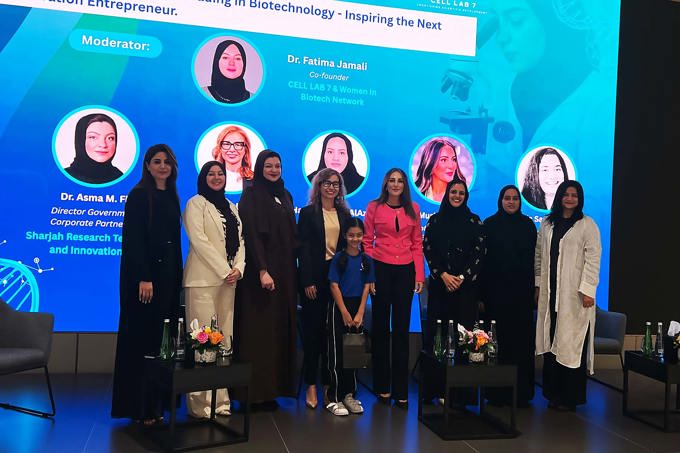
The American University in Dubai (AUD) recently showcased the tangible contributions of its STEM students during its celebrations for Emirati Women’s Day. Facing the evolving demands of the UAE’s national strategy for science, technology, engineering, and mathematics, AUD has positioned students at the heart of research, industry collaborations, and real‑world problem‑solving. This article explores how AUD’s programs translate classroom learning into impactful projects, the pathways students undertake, and practical steps prospective students can take to join this dynamic ecosystem.
Why Student‑Driven Projects Matter in STEM Education
In a region where innovation is not just a buzzword but a pillar of sustainable growth, students who design, test, and deploy solutions have a distinct competitive advantage. Project‑based learning bridges the gap between theory and practice, offering students:
- Hands‑on experience that deepens understanding of core concepts.
- Opportunities to collaborate with faculty and industry partners.
- Portfolio pieces that demonstrate skills to potential employers.
- Mentorship from leading professionals in health, biotechnology, and engineering.
Students from AUD’s Biology, Mechanical Engineering, Computer Engineering, and other faculties have taken every benefit, turning ideas into published papers, conference presentations, and industry‑approved prototypes.
Key Success Stories from AUD’s STEM Programs
Research Breakthroughs and Publications
Aud’s Biology Student Society, for example, spearheads peer‑mentored research teams that publish in peer‑reviewed journals. Projects range from genetic variety studies in Emirati heritage plants to innovations in bioprocessing for sustainable beauty products. Each publication opens doors to scholarships, further research funding, and mentorship by international scholars.
Conference Presence and Networking
Students present their work at regional and global venues such as the World Police Summit and Arab Health. Presentations on topics like biomedical sensor design or smart irrigation systems gain recognition and can lead to collaborations with government agencies seeking tech‑savvy solutions for public safety or health services.
Internship Success and Career Transitions
More than 70 % of AUD’s STEM graduates secure internships that evolve into full‑time positions within 12 months of graduation. Companies report that interns arrive with robust project portfolios, problem‑solving frameworks, and a proven track record of teamwork—precisely the skills required for innovation roles.
Leadership and Mentorship Within Student Societies
The Biology Student Society not only manages research teams but also mentors underclassmen. Leadership positions within the society sharpen project management skills, while collaborative ventures with faculty labs showcase students’ ability to originate and drive research ideas—an attractive trait for graduate programs and employers alike.
How AUD Supports STEM Trainees
- Faculty‑Led Labs: Dedicated spaces equipped with state‑of‑the‑art instrumentation and continuous guidance from experienced researchers.
- Industry Partnerships: Joint projects with companies such as mHealth solutions firms or construction tech startups provide students with real‑world constraints and data sets.
- Innovation Funding: AUD offers seed grants for student‑initiated prototypes, encouraging risk‑taking and design thinking.
- Global Collaboration: Exchange programmes and joint conferences allow students to broaden perspectives and align projects with international standards.
Increasing Female and Emirati Representation in STEM
AUD is witnessing a steady rise in the enrollment of Emirati women in STEM fields. In 2024, the university reported a 15 % increase in female STEM applicants and a 10 % rise in Emirati student participation—mirroring the UAE’s commitment to gender equality in science and technology.
These demographic changes broaden the cultural knowledge base of projects and foster designs that reflect local needs, such as water‑efficient systems tailored for the Arabian climate.
Actionable Steps for Prospective Students
1. Identify your passion within STEM: AUD offers a diverse range of undergraduate and graduate programs—from Electronics and Mechanical Engineering to Artificial Intelligence and Innovation Management. Review program curricula on AUD’s programs page to find the fit.
2. Explore research opportunities early: Most faculties host Undergraduate Research Assistant (URA) roles during the first semester. Attach a brief letter of interest to your admission application highlighting any prior project experience.
3. Leverage student societies: Joining groups such as the Biology Student Society or the Engineering Innovation Club can provide mentorship and early project exposure. Many societies run hackathons and design competitions that feed directly into faculty labs.
4. Seek internships through AUD’s Career Services: The university’s career portal partners with leading UAE fintech, biotechnology, and construction companies.
5. Apply for scholarships and funding: AUD’s scholarship programs support high‑potential students, especially those from underserved communities. Apply through the scholarships page and include a statement of how you intend to apply project knowledge for societal benefit.
What Employers Say About AUD Alumni
Tech giants and research institutions alike commend AUD graduates for their solid project experience and cultural aptitude. An alumnus involved in a smart‑city initiative reported that the ability to prototype a sensor network within a tightly scheduled design sprint was directly transferable from AUD’s project curriculum.
Future Trends Shaping AUD’s STEM Landscape
- Hybrid Lab Models: Integration of Simulation‑Based Training with Physical Prototyping is set to become a standard approach, especially in Mechanical and Electrical Engineering domains.
- AI‑Driven Data Analytics: As AI tools become integral to research, students will increasingly collaborate across disciplines—biologists using machine learning to analyze genomic datasets, engineers applying predictive maintenance algorithms in HVAC systems.
- Global Sustainability Focus: Projects that address circular economy, renewable energy, and sustainable agriculture will receive priority funding from both governmental and private sectors.
Key Takeaways
- S projects at AUD go beyond academia—they directly inform real‑world problem solving.
- Student societies, industry partnerships, and faculty labs create a robust ecosystem for innovation.
- Female and Emirati student participation is rising, reflecting increased opportunities for inclusive growth.
- Prospective students can leverage early research roles, internships, and scholarship programs to accelerate their STEM career path.
- Future trends point toward interdisciplinary AI, sustainability, and hybrid teaching methods—areas where AUD is already investing.