
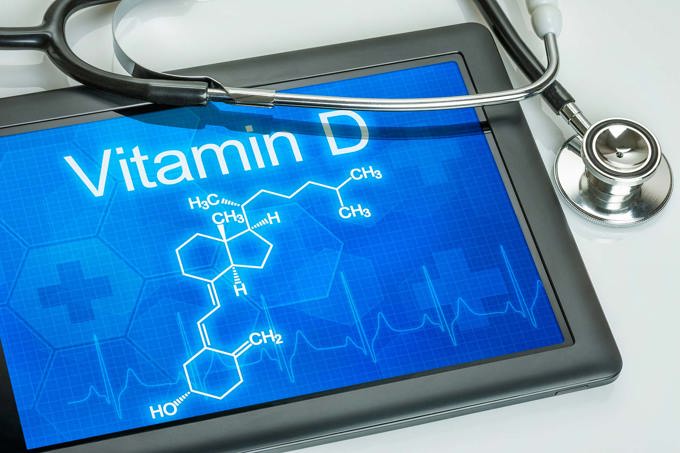
The connection between Vitamin D and women’s reproductive health is a critical area of study, with significant implications for health and well-being. Recent research presented at the American University in Dubai (AUD) highlights the vital role this nutrient plays in supporting women’s health throughout their lifespan. This article explores the key findings and their importance for women in the UAE and beyond.
The Critical Role of Vitamin D in Women’s Health
Vitamin D, often called the “sunshine vitamin,” is a fat-soluble nutrient essential for numerous bodily functions. While commonly associated with bone health, its influence extends far beyond, particularly impacting women’s reproductive systems. Research indicates that adequate Vitamin D levels are linked to improved outcomes in fertility, pregnancy, and overall reproductive success.
Professor Meis Moukayed, Professor of Health and Life Sciences at AUD, presented a research webinar titled “Vitamin D and Women’s Reproductive Health” for health professionals. The presentation, part of the International Academy of Nutrition Educators (IANE) Webinar Series, discussed the latest evidence supporting Vitamin D’s role in maintaining reproductive health. This research underscores the importance of addressing Vitamin D deficiency, a common issue in regions with high sun exposure like the UAE, where lifestyle factors such as indoor work and cultural dress can limit natural synthesis.
Key Research Findings on Vitamin D and Reproductive Success
The webinar, accredited by the Royal Society for Biology and organized with the NNedPro Global Institute for Food, Nutrition, and Health, synthesized current scientific understanding. Key takeaways include:
Impact on Fertility and Ovulation
Studies suggest that Vitamin D deficiency may be associated with irregular menstrual cycles and ovulatory dysfunction. Adequate levels are believed to support the hormonal balance necessary for regular ovulation, a cornerstone of female fertility.
Support During Pregnancy
During pregnancy, Vitamin D is crucial for fetal development, particularly for bone formation and immune system development. Research links sufficient maternal Vitamin D levels to a reduced risk of complications such as pre-eclampsia, gestational diabetes, and low birth weight.
Long-Term Health Implications
Beyond conception and pregnancy, maintaining optimal Vitamin D levels contributes to women’s long-term health, including reducing the risk of conditions like polycystic ovary syndrome (PCOS) and supporting overall metabolic health.
Addressing Vitamin D Deficiency in the UAE Context
Despite the abundant sunshine in the UAE, Vitamin D deficiency remains prevalent. Factors such as limited sun exposure due to indoor lifestyles, use of sunscreen, and cultural attire can inhibit the skin’s ability to produce Vitamin D. This makes dietary sources and supplementation important considerations for women’s health.
Health professionals in the region emphasize the need for regular screening and personalized advice. The research from AUD provides a foundation for developing targeted health strategies that address these specific challenges, aligning with global health objectives.
AUD’s Commitment to Health and Well-being Research
This research webinar is part of AUD’s broader commitment to advancing knowledge that supports the Sustainable Development Goals (SDGs), particularly SDG 3 (Good Health and Well-being) and SDG 5 (Gender Equality). By fostering research that addresses critical health issues, AUD contributes to empowering women through education and improving health outcomes in the community.
The School of Arts & Sciences, where this research was presented, offers programs that explore the intersection of science and health. For students interested in biology, health sciences, or related fields, AUD provides a rigorous academic environment to engage with such impactful topics.
Practical Steps for Women’s Health
Based on the research, women can take proactive steps to support their reproductive health:
- Consult a Healthcare Provider: Discuss Vitamin D testing and potential supplementation, especially if planning pregnancy or experiencing reproductive health concerns.
- Incorporate Dietary Sources: Include Vitamin D-rich foods like fatty fish, fortified dairy, and eggs in your diet.
- Safe Sun Exposure: When possible, brief periods of sun exposure on the arms and face can help boost Vitamin D levels, but always balance with sun protection.
- Stay Informed: Follow ongoing research and guidelines from reputable health organizations.
Further Exploration and Academic Opportunities
For those interested in delving deeper into health sciences, the American University in Dubai offers a range of programs. The Bachelor of Science in Biology, for instance, provides a strong foundation in biological principles, including human physiology and nutrition. Graduate programs in education and innovation also offer pathways to contribute to health education and policy.
Understanding the science behind nutrients like Vitamin D is essential for health professionals and informed individuals alike. The research presented by Professor Moukayed highlights the tangible impact of academic inquiry on real-world health challenges.
Conclusion
The link between Vitamin D and women’s reproductive health is a compelling area of study with direct relevance to women’s well-being in the UAE and globally. The research from the American University in Dubai provides valuable insights that can guide health practices and personal decisions. By prioritizing education and research, institutions like AUD play a pivotal role in advancing health and empowering women through knowledge.
For more information on health-related programs and research at AUD, prospective students and community members are encouraged to explore the university’s offerings and stay engaged with the latest scientific developments.